To buy, no: the law requires no German bank account, and the price can come from abroad if paid by transfer and proven to the notary (§ 16a GwG). To own, you need an account, though not necessarily a German one: it receives the rent and pays the taxes, and in our experience a lending bank keeps the company's account in-house. An investor living outside the EU has no right to an account, and a bank may not accept deposits above €100,000 from Russian citizens and residents without EU, EEA or Swiss citizenship or a residence permit.
The price may come from abroad, by transfer from your own account
Since 1 April 2023, German real estate, and shares in companies that own it, cannot be paid for in cash, crypto-assets, gold, platinum or precious stones (§ 16a(1) GwG). The law is silent on where the payer's bank is: a transfer from your account abroad is an ordinary non-cash payment. It must be proven to the notary, for example with bank statements. Until the proof is accepted as conclusive, the notary will not apply for the buyer's registration (see Part 8 of the series German Prime Retail). A missing statement delays the transfer of ownership.
The notary must file an anti-money-laundering report if more than €20,000 is paid by a third party — neither a party to the transaction nor its beneficial owner (§ 6(1) GwGMeldV-Immobilien). Exceptions include spouses, first- and second-degree relatives and affiliated companies. The same duty arises if the price is paid from an account in a country on the EU list of high-risk third countries where the payer does not live. Gather the source-of-funds documents for the full price before signing: the notary, the broker and the bank each check them independently (§§ 10, 11 GwG).
An owner needs a company account, and the bank may refuse it
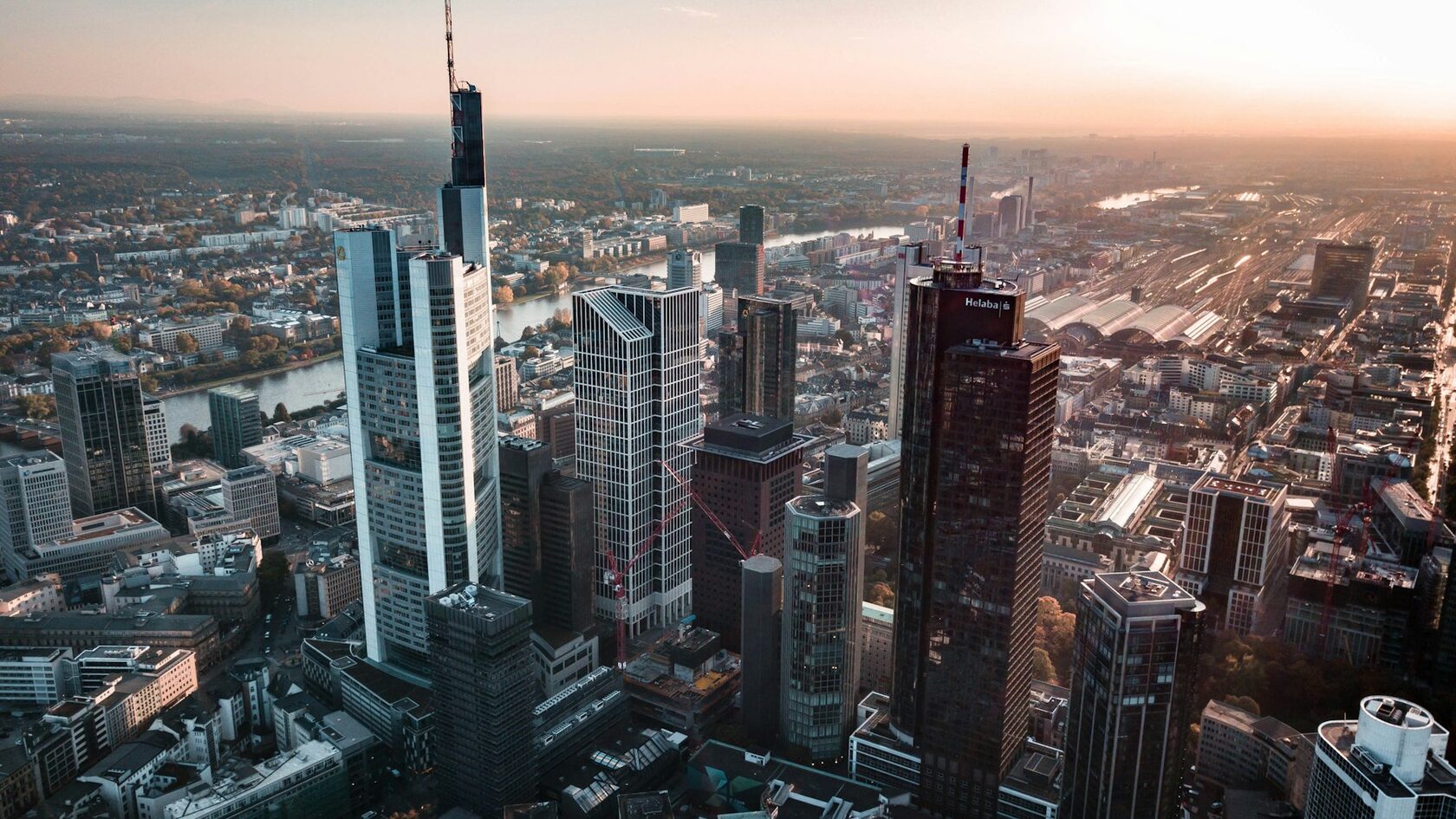
Exhibit 1. The law requires no German account; running a property requires a company account
No bank has to open an account for you: the duty to offer a basic account covers only consumers legally resident in the EU (§ 31(1) ZKG), not companies. The bank must identify the client, its beneficial owners and its representatives; if it cannot complete these checks, it may not open the account (§ 10(9) GwG). So enter the GmbH in the Transparency Register (Transparenzregister) before visiting the bank: banks must report discrepancies between the register and their own records (§ 23a GwG).
For Russian citizens and residents, the EU restricts banking, not buying
EU sanctions do not bar Russian citizens from buying German property; they restrict banking. A bank may not accept deposits if the client's total deposits with that bank exceed €100,000 (Art. 5b(1) of Regulation (EU) No 833/2014). The prohibition covers Russian citizens, residents of Russia, companies established there and non-EU companies more than 50% owned by such persons. The same citizens, residents and Russian companies may not be offered crypto, acquiring or payment-initiation services, nor be issued payment instruments or electronic money (Art. 5b(2)).
These prohibitions do not apply to citizens of the EU, the EEA or Switzerland, or to holders of a temporary or permanent residence permit in one of them (Art. 5b(3)). Taking part in activities whose object or effect is to circumvent the regulation's prohibitions is itself prohibited (Art. 12). Persons on the EU sanctions list have their funds frozen and cannot buy property at all (Regulation (EU) No 269/2014).
Since 29 January 2026 Russia has been on the EU list of high-risk third countries, and banks apply enhanced due diligence to its residents (§ 15(3) no. 2 GwG). The notary must report a purchase if a party or its beneficial owner lives in Russia — unless the facts dispel the suspicion of money laundering (§§ 3, 7 GwGMeldV-Immobilien).
Implications for investors
1. Pay the price from your own account or the buying company's. A third-party payment above €20,000 triggers a notary's report; a missing statement delays the transfer of ownership.
2. Register the GmbH in the Transparency Register and gather the source-of-funds documents before visiting the bank. No bank has to open a company account, and one that cannot complete its checks may not.
3. If you are a Russian citizen or resident, check Art. 5b before choosing a bank. Without EU, EEA or Swiss citizenship or a residence permit, deposits above €100,000 will be refused, and residents of Russia face enhanced due diligence.
What to check:
• the price comes from your own account or the buying company's, and statements for every payment are ready by the due date;
• the source-of-funds documents for the full price are gathered before signing;
• the GmbH is entered in the Transparency Register before the account is opened;
• with a loan: where the bank requires the account and how the rent assignment is documented;
• for Russian citizens and residents: whether Art. 5b of Regulation No 833/2014 applies to you, or the exemption in its paragraph 3.
See also: Can you pay cash for property in Germany? · Can a Russian citizen buy property in Germany? · Can a non-resident get a German bank loan for commercial property? · Do you need a GmbH to buy commercial property in Germany?
Sources: GwG §§ 10, 11, 15, 16a, 20, 23a; GwGMeldV-Immobilien §§ 3, 6, 7; GmbHG §§ 7, 8; ZKG § 31; Council Regulation (EU) No 833/2014, Arts. 5b and 12 (consolidated version of 24 July 2026); Council Regulation (EU) No 269/2014; Commission Delegated Regulation (EU) 2026/46; Gordon Real Estate Group experience. Legal position as of October 2026.
Photo: Jan-Philipp Thiele / Unsplash
This page is general information and not investment, legal or tax advice.