No: the law does not require a company, and commercial property in Germany can be bought by an individual or by a foreign company. A German limited-liability company (GmbH) is a choice, not an obligation, but in our experience most foreign buyers of single properties worth €3–20 million prefer it. For limited liability, access to bank loans and simpler inheritance, they give up an untaxed sale after ten years of ownership.
The law allows three routes, and each has its price
German civil law does not restrict property purchases by nationality or place of residence (§§ 311b, 873, 925 BGB), so an investor can own a store personally, through a German GmbH or through a company registered abroad. The choice between them is a question of tax, liability and financing (see Part 9 of the series German Prime Retail).
Exhibit 1. A GmbH trades the untaxed sale for limited liability and access to loans
The overview is simplified: the outcome depends on the investor's country of residence.
A GmbH limits the risk but does not remove it
All of a GmbH's assets are liable for its debts, while a shareholder, as a rule, risks only the capital put in (§ 13(2) GmbHG). The share capital of €25,000 is a floor, not a limit on the company's losses (§ 5(1) GmbHG). Managing directors (Geschäftsführer) are personally liable for breaches of their duties (§ 43 GmbHG), for payments made after the company has become insolvent (§ 15b InsO) and for taxes left unpaid through their intent or gross negligence (§ 69 AO).
GmbH shares can be transferred, pledged and inherited without any change to the land register (Grundbuch). A transfer of 90% or more of the shares, however, can trigger real estate transfer tax — under rules updated with effect from 3 July 2026 (§ 1(2a)–(3b) GrEStG). Until the GmbH is entered in the commercial register, those who act in its name are personally liable (§ 11(2) GmbHG), so the company is registered before the purchase agreement is signed.
Those who value an untaxed sale and simplicity can skip a GmbH
An individual pays progressive tax on rental income but can sell the property free of German tax after owning it for more than ten years (§ 23 EStG). The rule applies to non-residents too (§ 49(1) no. 8 EStG). A store built before 2023 is depreciated by an individual at 2% a year, and by a GmbH, as a rule, at 3% (§ 7(4) EStG). A foreign company pays no trade tax without a permanent establishment in Germany, but it comes with anti-abuse rules, substance requirements and reporting in two countries.
The main trap for a GmbH is trade tax (Gewerbesteuer): the company is liable to it by virtue of its legal form (§ 2(2) GewStG). Rental income escapes it only through the extended reduction (erweiterte Kürzung), available if the company does nothing but manage its own real estate (§ 9 no. 1 GewStG). Refrigeration equipment that the company lets together with the building can cost it this relief (Part 9).
Implications for investors
1. Choose the structure by your holding horizon. Owning the property personally preserves a sale free of German tax after ten years; a GmbH offers limited liability, access to bank loans and the transfer of shares without any change to the land register.
2. Register the GmbH before signing the purchase agreement. Until the company is in the commercial register, those who act in its name are personally liable.
3. Check the lease before counting on the extended reduction. A GmbH that lets refrigeration equipment together with the building can lose the only relief that frees its rental income from trade tax.
What to check:
• the structure — before the letter of intent, with a tax calculation for Germany and your country of residence;
• the GmbH's registration in the commercial register before the purchase agreement is signed;
• a release of the managing director from the restrictions of § 181 BGB in the articles, if the director personally signs the shareholder loan;
• the entry of the beneficial owners in the Transparency Register (Transparenzregister);
• the lease — for compatibility with the extended reduction of trade tax.
See also: How much does it cost to set up and run a GmbH? · What taxes does a property-owning GmbH pay? · When is interest on a shareholder loan not taxed in Germany? · Can you sell property in Germany without paying tax?
Sources: BGB §§ 181, 311b, 873, 925; GmbHG §§ 5, 11, 13, 43; InsO § 15b; AO § 69; EStG §§ 7(4), 23, 49(1) no. 8; GewStG §§ 2, 9 no. 1; GrEStG § 1 as amended on 29 June 2026; GwG § 20; German Prime Retail series, Part 9. Legal position as of 10 October 2026.
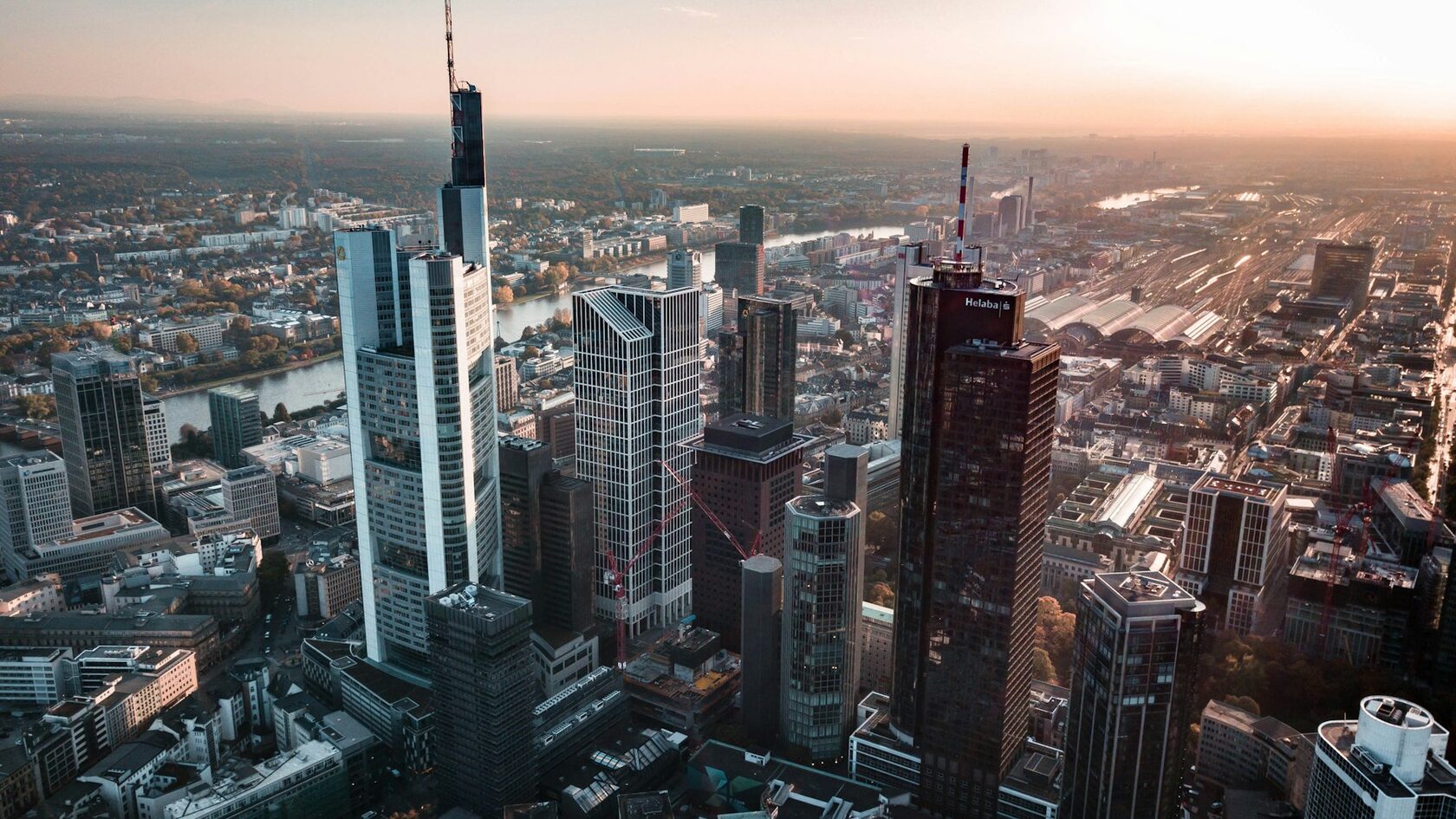
Photo: Jan-Philipp Thiele / Unsplash
This page is general information and not investment, legal or tax advice.