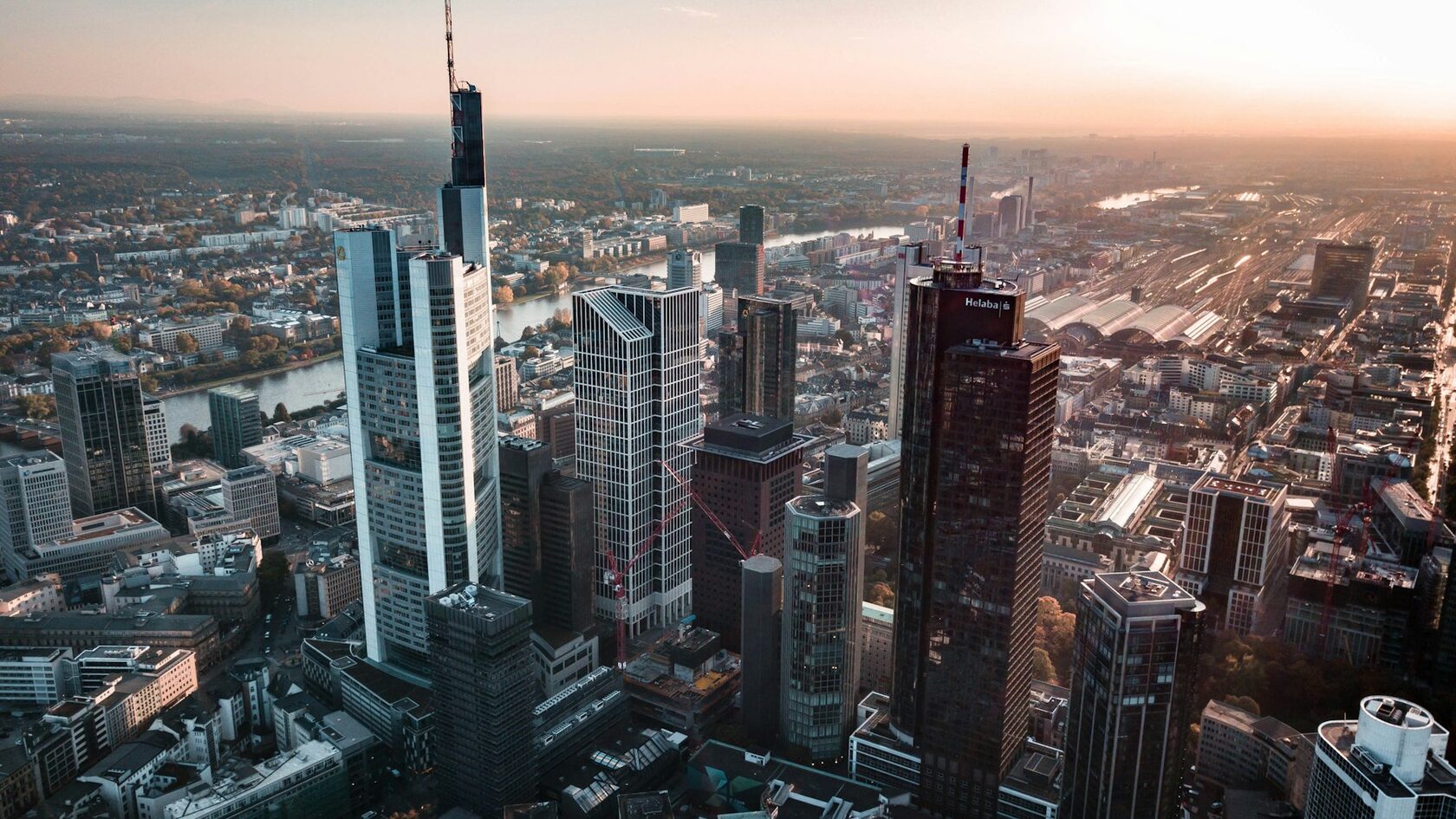
Who inherits is decided by the law of the country where the deceased lived at the time of death, unless they chose the law of their nationality (EU Succession Regulation No 650/2012). But only a German certificate of inheritance (Erbschein), a European Certificate of Succession or a will in public form with the record of its opening gets the heirs into the land register (§ 35 GBO). German inheritance tax, at rates from 7% to 50%, is levied on property in Germany even if neither the deceased nor the heirs live there.
The law of residence can bring the property back under German law
The Regulation applies to deaths on or after 17 August 2015 and can point to the law of any country, not only of an EU member state (Articles 20, 21(1) and 83(1)). The deceased may choose the law of their nationality (Article 22(1)). Where the law of a third country applies, its conflict-of-laws rules are also taken into account when they refer to the law of an EU member state (Article 34(1)).
As a result, a single estate can split between two legal systems. Russian law, for example, subjects the inheritance of real estate to the law of the country where it is located (Article 1224 of the Russian Civil Code). A German supermarket owned personally by a deceased who lived in Russia is therefore, as a rule, inherited under German law. GmbH shares are not real estate and are usually inherited under the law of the country of last residence.
Where German law applies, an inheritance can be disclaimed within six weeks — or within six months if the deceased lived only abroad or the heir is abroad when the period begins (§ 1944 BGB).
The land register will not accept a foreign certificate of inheritance
The land registry (Grundbuchamt) accepts only the documents listed in § 35(1) GBO, and a foreign certificate of inheritance is not among them. Even where there is a will in public form, the registry may still require a certificate of inheritance. The certificate is issued by a German probate court or, if the deceased had no habitual residence in Germany, by the Schöneberg Local Court in Berlin (§ 343(3) FamFG). The application can be limited to assets in Germany (§ 352c FamFG). If the heirs are registered within two years of the death, no registration fee is charged (note 1 to item 14110 of Annex 1 to the GNotKG).
If the property belongs to a GmbH, it is the shares that are inherited (§ 15(1) GmbHG), and the land register does not change (see Part 9 of the series German Prime Retail). In dealings with the company, however, only a person entered in the shareholder list held in the commercial register counts as a shareholder (§§ 16(1), 40 GmbHG). If the sole managing director dies, the shareholders appoint a new one (§ 46 no. 5 GmbHG) — and to do so, the heirs must first prove their entitlement.
German inheritance tax does not depend on where the heirs live
Exhibit 1. For non-residents, only German assets are taxed — company stakes from 10%
Rates run from 7% to 30% for spouses, children and grandchildren, from 15% to 43% for siblings and certain other relatives, and from 30% to 50% for everyone else (§ 19 ErbStG). Under limited tax liability, the personal allowances — €500,000 for a spouse, €400,000 for a child — are reduced in proportion to the share of assets outside Germany (§ 16 ErbStG).
An inheritance that includes real estate or company shares must be reported to the tax office within three months (§ 30 ErbStG). German citizens who have lived abroad for no more than five years are treated as residents (§ 2(1) no. 1 ErbStG). Germany has double tax treaties on inheritance only with Denmark, France, Greece, Switzerland and the United States.
Implications for investors
1. Settle the applicable law in advance. Without a will choosing the law of nationality, the law of the country of last residence decides, and a single estate can split between two legal systems — one for the property, another for the GmbH shares.
2. Prepare a document the land register will accept. A foreign certificate of inheritance will not do: the registry needs a German certificate, a European Certificate of Succession or a will in public form with the record of its opening. Registering the heirs within two years of the death avoids the registration fee.
3. Build German inheritance tax into the plan. It is levied at rates from 7% to 50% on German real estate and on stakes of 10% or more in German companies, wherever the heirs live. The inheritance must be reported within three months.
What to check:
• Establish which country's law governs the estate, and whether there is a will with a choice of law.
• Check the form of the will, and whether a German certificate of inheritance will be needed.
• Decide who will act for the GmbH if its sole managing director dies.
• Note the three-month deadline for notifying the tax office, and the personal allowances.
• Find out how the inheritance is taxed in the heirs' country of residence.
See also: How does a double tax treaty with Germany work?; Can you sell property in Germany without paying tax?; Part 9 of the series German Prime Retail
Sources: Regulation (EU) No 650/2012, Articles 20–22, 34 and 83; Article 1224 of the Civil Code of the Russian Federation; § 1944 BGB; § 35 GBO; §§ 343, 352c FamFG; GNotKG, Annex 1, item 14110; §§ 15, 16, 40, 46 GmbHG; §§ 2, 16, 19, 30 ErbStG; § 121 BewG; Federal Ministry of Finance, status of double tax treaties as of 1 January 2026. Legal position as of October 2026.
Photo: Jan-Philipp Thiele / Unsplash
This page is general information and not investment, legal or tax advice.